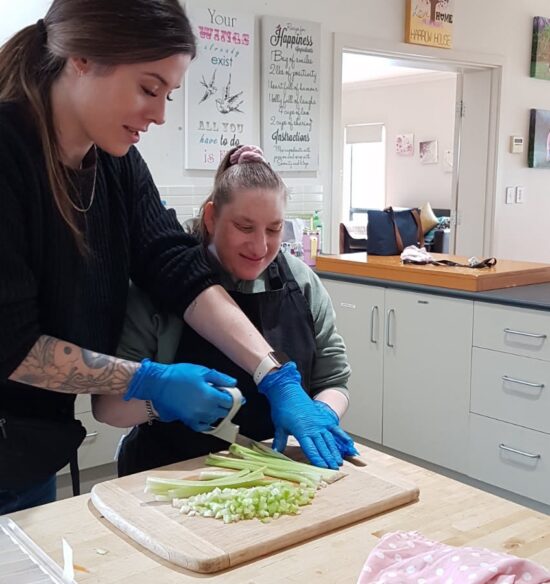

When we become parents, the world becomes so much bigger; so much louder and sometimes … so much scarier. Something deep and beautiful happens when we bring life into the world – we see something more precious than ourselves and, in that moment, our life becomes about them. Loving them. Feeding them. Cuddling them. Teaching them. Entertaining them. And – most importantly – protecting them.
Parents of children with an intellectual disability feel all of the above, ten-fold.
In an article titled Why Self-Care Is Essential to Parenting for Child Mind Institute expert Juliann Gary said that “parents who are the main caregivers for kids with special needs can be at risk for burnout, especially if they don’t have enough support themselves”.

“Parenting can be stressful under the best of circumstances, but moms and dads of children with developmental and mental health challenges often have to deal with strain of a different magnitude,” she said.
This strain of magnitude differs from family to family and can be greater or lesser depending on a number of factors – financial, family support, accessibility and so much more.
But no matter your circumstance, one thing everyone shares in common is that caring for a child with special needs can become a full-time job and – as Gary describes it – “an overwhelming one at that, if you don’t have adequate support”.
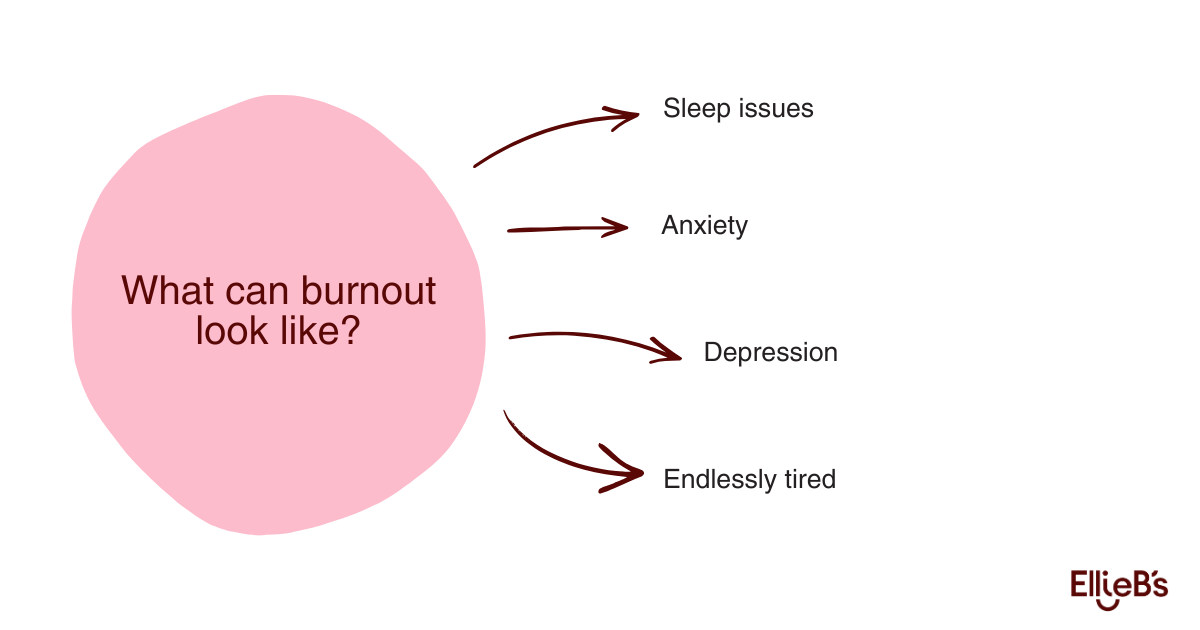
Caregiver burnout can look like anxiety, depression, feeling cut off from other people and feeling endlessly tired.
A 2024 research paper into Health challenges faced by parents of children with disabilities published in the National Library of Medicine found that parents of children with disabilities face “intricate health challenges”.
It cited physical challenges such as fatigue, musculoskeletal pain, and sleep issues and also described cases where parents experience significant emotional strain, “with symptoms of depression, anxiety, and hopelessness”.
Its conclusion ends with “social isolation and stigma further compound these challenges”.
The pressure on caregivers is “unbelievable”
EllieB’s CEO Wendy Warren said the pressure on caregivers was unbelievable.
“It breaks my heart to see results like these that showcase what we already know – caring for someone with an intellectual disability is hard on so many levels,” she said.
“We see our role is to help parents, families and carers to give their loved ones the best possible life while they have the space and time they need to maintain their own happiness so they can be the best possible support for their loved ones living with an intellectual disability.”
According to Clinical Psychologist Dr Matthew Rouse, reclaiming an adult-only social life is critical to filling your own cup.
But, speaking to the Child Mind Institute Dr Rouse said parents were often “resistant” to this idea. But he has a wonderful way of reframing the idea of self-care for parents of children with intellectual disability.
“The way I’ve framed it with parents who are resistant to this is to tell them, ‘It’s like you’re depositing money into a bank and building up cash reserves. To have more to give your child, you have to build up those reserves.’”
Clinical Psychologist Dr Matthew Rouse
The hard truth is burnout isn’t only an issue for the caregiver. Left untreated, it can negatively affect everyone.
Wanting to talk to someone who understands?
If you feel like you or someone you know could use more support – please reach out to EllieB’s today. Our team can help discuss options to help you or someone you know find the breathing space to remain strong, fierce and ever-loving to those we care for.
Important: options for urgent help
If you feel like you or someone you know needs more urgent support, please contact one of the services below or call Triple Zero (000) if it’s an emergency.
-
Lifeline – 24/7 suicide prevention and crisis support. Provides all Australians access to crisis support and suicide prevention services. Call 13 11 14
-
Suicide Call Back Service – Free 24/7 telephone counselling support if you are at risk of or affected by suicide. Delivered by trained counsellors at Lifeline. Call 1300 659 467
-
Kids Helpline – Free 24/7 phone and online counselling service for young people aged 5 to 25. Call 1800 55 1800
-
13 YARN – For Aboriginal and Torres Strait Islander people who are going through a tough time and feel like having a yarn. Call 13 92 76